

Our Office
Visit Us Online
When a dentist recommends root canal therapy, many patients feel a mix of relief and apprehension. In reality, modern root canal treatment is a precise, comfortable procedure designed to stop deep tooth pain, remove infection, and preserve the structure of your natural tooth. With contemporary instruments, targeted anesthesia, and careful technique, most patients tell us the experience is far less intimidating than they expected.
At Londonderry Family Dentistry, we combine up-to-date technology with a gentle approach to make treatment predictable and patient-centered. Our goal is to eliminate discomfort, protect surrounding teeth and bone, and return you to normal chewing and smiling. Below you’ll find clear, practical information about when root canal therapy is recommended, how the procedure works, and what to expect during recovery.
Root canal therapy focuses on removing damaged or infected tissue from inside a tooth, then sealing and restoring it so it can continue to function like a natural tooth. When the inner tissues—known collectively as the dental pulp—have been irreversibly harmed by decay, trauma, or infection, treatment prevents the problem from spreading and can often avoid extraction. Preserving the natural tooth maintains chewing efficiency, jaw stability, and the overall alignment of your bite.
Clinical success rates for well-performed root canal procedures are high, particularly when the tooth is restored properly after treatment. Advances in instrumentation, imaging, and filling materials have improved the accuracy of canal cleaning and sealing, which reduces the chance of recurrence. Equally important is careful planning for the final restoration—often a crown—which protects the remaining tooth structure and restores strength.
Beyond immediate pain relief, the broader outcome we aim for is long-term oral health. A treated tooth can remain functional for many years when paired with good home care and routine dental exams. Our team will discuss the best restorative plan for your specific tooth so you can make an informed decision about treatment and follow-up care.

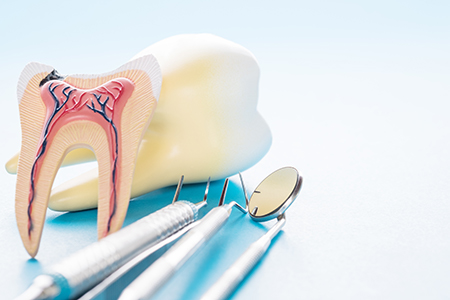
Teeth are more than the enamel you see—beneath the surface is a complex system of dentin, pulp, and root canals. The pulp contains nerves and blood vessels that help a developing tooth grow. Once a tooth is fully formed, the pulp is less critical to daily function, but when it becomes infected or harmed, it can produce severe pain, swelling, and the risk of spreading infection to adjacent tissues.
Common pathways to pulp damage include untreated cavities that reach the inner chamber, a cracked or fractured tooth that exposes the pulp, or a blunt injury that interrupts blood flow. In some cases the pulp dies without dramatic symptoms, and a problem is first discovered on a routine exam or X-ray. That’s why timely evaluation is important whenever you notice lingering sensitivity, discoloration, or any change in how a tooth feels.
Below are typical signs that a tooth may require root canal therapy. Not every symptom guarantees the need for treatment, but they are clear signals to seek prompt dental assessment:
Pain that lingers or wakes you from sleep often indicates deep involvement of the nerve tissues. Unlike brief sensitivity, this pain can be constant, throbbing, or difficult to relieve with over-the-counter measures.
Intense reactions to hot beverages or cold treats—especially if the sensation lingers—can suggest an inflamed or compromised pulp that needs professional evaluation.
Discomfort on pressure may signal that the pulp or surrounding bone is affected, particularly when a fracture or hidden infection is present.
Discoloration of a single tooth can occur after trauma or when internal tissues have deteriorated. While color change alone doesn’t always require a root canal, it warrants evaluation.
A tooth that has been broken or fractured may expose the pulp to bacteria, increasing the likelihood of infection and the need for treatment to preserve the tooth.
Swelling of the gums, a bump near the root, or drainage of pus are signs that an infection may have formed and professional care is necessary.
If infection has affected the bone around a tooth, you may notice mobility. Treating the source of infection can often halt progression and allow healing.

Delaying care when a tooth shows signs of deep infection or irreversible pulp damage increases the chance of complications. Infection can spread through the root end into surrounding bone, cause more extensive tissue loss, and in some cases create persistent sinus tracts or recurrent episodes of pain. Early treatment typically requires less invasive measures and preserves more of the natural tooth.
Occasionally a tooth that appears stable may still show radiographic evidence of pathology at the root tip. Regular exams and timely X-rays help catch these problems before they become symptomatic. When your dentist recommends treatment, acting sooner rather than later generally improves the predictability of success and reduces the risk of additional procedures.
In certain situations, your dentist may recommend temporary measures to relieve acute symptoms before definitive treatment, such as medication or short-term protective restorations. These steps can make you comfortable and reduce inflammation, but they are not substitutes for completing root canal therapy and the final restoration that protects the tooth long-term.
A typical modern root canal is carried out with attention to comfort and precision. After numbing the area, the dentist isolates the tooth and creates a small opening to access the pulp chamber. Using specialized files and irrigation solutions, the canals are cleaned of infected tissue and shaped to receive a biocompatible filling. The work is done under local anesthesia and may be supplemented by calming techniques for anxious patients.
Some teeth can be treated in a single appointment, while others require two visits—especially if there is active infection that benefits from an interim medication. Once the canals are cleaned and sealed, a temporary filling is placed. The next step is restoring the tooth with a durable permanent restoration, most commonly a crown, to protect it from fracture and restore function.
Throughout the procedure we prioritize clear communication and gentle care. You’ll be informed about each step, including what to expect afterward and how we plan for the final restoration. When root canal therapy is performed with thorough cleaning and proper restoration, the long-term prognosis for the treated tooth is generally favorable.
After treatment, it’s normal to have some tenderness in the treated area as surrounding tissues heal. Any immediate numbness from anesthesia will wear off in a few hours. Over-the-counter pain relief is usually sufficient for mild discomfort; your dentist will provide specific guidance if stronger medication or antibiotics are needed to manage infection.
While the root canal eliminates the internal source of infection, the tooth remains structurally vulnerable until it receives a permanent restoration. Placing a crown or other definitive restoration in a timely manner helps prevent fractures and restores normal chewing. Until that restoration is in place, avoid hard, sticky, or highly chewy foods on the treated side.
Long-term success depends on good oral hygiene, regular dental checkups, and attending follow-up visits so your dentist can monitor healing. With proper care, a tooth that has undergone root canal therapy can function comfortably for many years. If you notice return of pain, swelling, or any change in the treated tooth, contact the practice promptly so your care team can evaluate and address the issue.
At Londonderry Family Dentistry, we focus on clear communication and coordinated care. Our team will walk you through the treatment plan, restoration options, and home-care steps to protect your investment in preserving your natural tooth.
In summary, root canal therapy is a reliable way to relieve deep dental pain, remove infection, and keep your natural tooth working for years to come. If you have symptoms or concerns about a tooth, please contact us for more information and to schedule an evaluation.
Root canal therapy is a dental procedure that removes damaged or infected tissue from inside a tooth, cleans and shapes the root canals, and seals them with a biocompatible filling. The primary goal is to eliminate infection while preserving the natural tooth so it can continue to function. Treatment typically requires careful cleaning, disinfection, and a final restoration to protect the remaining tooth structure.
Modern root canal care uses precise instruments and local anesthesia to make the procedure comfortable and predictable. When combined with an appropriate restoration, a treated tooth can often be saved for many years. Your dentist will explain the steps and expected outcomes before treatment begins.
A root canal is recommended when the dental pulp has been irreversibly inflamed or infected due to deep decay, trauma, a cracked tooth, or repeated dental procedures. Signs of pulp damage or infection can include persistent pain, swelling, or radiographic evidence of pathology at the root tip. The decision to proceed is based on a clinical exam, X-rays, and tests that assess pulp vitality and the extent of infection.
Prompt evaluation improves the chance of saving the tooth and limits spread of infection to surrounding bone and tissues. Your dentist will review treatment options, the recommended restorative plan, and any temporary measures needed to address acute symptoms. In many cases, timely root canal therapy prevents the need for extraction and more complex restorative work.
Common symptoms include persistent or severe toothache, sensitivity to hot or cold that lingers, pain when biting or touching the tooth, and localized swelling or drainage. A tooth that darkens in color or becomes loose can also indicate internal damage or infection. Not every symptom guarantees the need for treatment, but these signs warrant prompt evaluation by a dentist.
Some infected or necrotic pulps produce minimal or no pain and are first detected on routine X-rays or exams. Because symptoms vary, timely assessment helps identify problems before they progress. If you notice any of these changes, contact your dental office for an examination.
The procedure begins with targeted local anesthesia and isolation of the tooth to maintain a dry field and reduce contamination. The dentist creates a small access opening to reach the pulp chamber, then uses specialized files and irrigation solutions to clean, shape, and disinfect the root canals. If active infection is present, an interim medication may be placed and treatment completed at a follow-up visit.
Once the canals are thoroughly cleaned and dried, they are filled and sealed with a biocompatible material to prevent recontamination. A temporary restoration protects the tooth until a definitive restoration, commonly a crown, can be placed to restore strength and function. Your dentist will explain whether the tooth can be treated in a single visit or will require multiple appointments.
With modern anesthesia and gentle technique, most patients report little or no pain during the procedure itself, and many describe the experience as similar to having a filling placed. Discomfort after treatment is usually mild and can be managed with over-the-counter pain relievers and short-term self-care measures. Severe or persistent pain is uncommon and should be reported to your dentist for evaluation.
Post-operative sensitivity or soreness around the treated tooth and surrounding tissues commonly decreases over several days as inflammation subsides. Avoiding hard or chewy foods on the treated side until the permanent restoration is placed helps protect the tooth and reduce discomfort. Your dental team will provide specific aftercare instructions and guidance on when to seek additional care.
The main alternative to root canal therapy is extraction of the affected tooth, which can then be followed by a replacement option such as a dental implant, bridge, or removable prosthesis. Choosing extraction means removing the source of infection but also requires planning for tooth replacement to preserve chewing function and bite alignment. In some cases, monitoring or conservative measures may be appropriate for nonurgent situations, but these approaches do not eliminate an infected pulp.
For previously treated teeth that develop new problems, retreatment or endodontic surgery (apicoectomy) can be alternatives to extraction when preservation of the tooth is preferred. Your dentist will discuss the relative benefits and limitations of each option based on the condition of the tooth, surrounding structures, and your overall oral health. The goal is to select a treatment that best maintains function, comfort, and long-term oral health.
Immediate numbness from local anesthesia typically wears off in a few hours, and mild soreness around the treated tooth is common for several days as tissues heal. Over-the-counter pain relievers and cold compresses can help manage discomfort, and you should avoid chewing on the treated side until the permanent restoration is placed. If symptoms worsen, new swelling appears, or you develop fever, contact your dentist promptly for evaluation.
Follow-up care usually includes placement of a definitive restoration, such as a crown, to protect the tooth from fracture and restore normal function. Regular dental checkups and radiographs allow the dentist to monitor healing and detect any signs of recurrent infection. With appropriate care, most patients return to normal eating and oral hygiene routines within a short period.
When root canal therapy is performed thoroughly and the tooth receives an appropriate permanent restoration, treated teeth often remain functional for many years and can last a lifetime. Success depends on factors such as the quality of the root canal filling, the integrity of the final restoration, the amount of remaining tooth structure, and ongoing oral hygiene. Regular dental exams and timely care for new problems help preserve the treated tooth.
Certain risks can affect longevity, including fracture of the weakened tooth, recurrent decay at the margins of restorations, or periodontal disease affecting surrounding bone. Your dentist will recommend restoration options and preventive steps tailored to your situation to maximize the long-term prognosis. Prompt attention to new symptoms improves the chances of retaining a treated tooth.
Contemporary endodontic care benefits from technologies such as digital radiography, cone-beam CT imaging when appropriate, magnification with dental microscopes or loupes, and rotary instrumentation that enhances cleaning efficiency. Improved irrigation protocols and biocompatible filling materials also contribute to more predictable disinfection and sealing of the complex canal system. These advances help the clinician detect hidden anatomy and address infection more reliably.
Comfort measures and sedation options for anxious patients further improve the treatment experience and allow thorough care in a controlled environment. Coordination between endodontic procedures and restorative planning ensures the tooth receives durable protection after treatment. Patients treated with these modern techniques typically experience high success rates and fewer complications, and Londonderry Family Dentistry emphasizes technology and gentle care to achieve predictable results.
To prepare, bring a list of current medications and medical conditions, follow any pre-appointment instructions from your dentist, and arrange transportation if you plan to use sedation. It is helpful to eat a normal meal beforehand unless otherwise directed, and to arrive with any questions so your dental team can review the treatment plan and expected timeline. Being informed and prepared helps the procedure go smoothly and reduces anxiety.
After the procedure, schedule the recommended appointment for the permanent restoration and attend routine checkups so healing can be monitored radiographically and clinically. If you experience prolonged pain, swelling, or a return of symptoms, contact the office for prompt evaluation. For assistance or to arrange follow-up care, call Londonderry Family Dentistry at (603) 432-5094.
