Invisalign® for Teens


Invisalign® treatment provides a discreet, clinically proven approach to straightening teeth using a series of clear, removable aligners. Designed for people who want an alternative to traditional braces, this option blends modern digital planning with predictable, incremental tooth movement to produce functional, lasting results while minimizing disruption to everyday life.

Invisalign® for Teens

Invisalign® for Brides

Invisalign® for Travelers
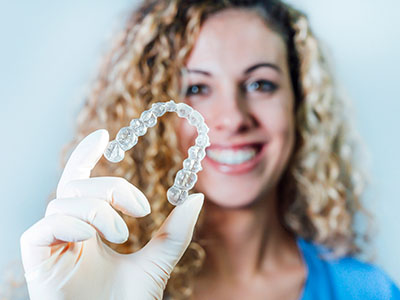
Before & After Photos
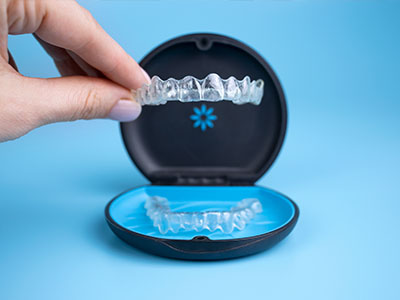
Invisalign® Videos
FAQs
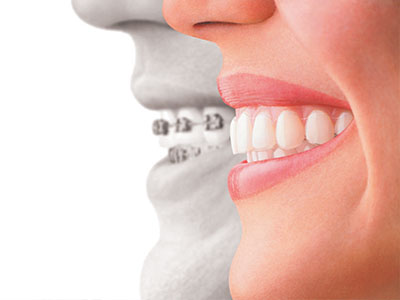
Invisalign® vs Braces
Invisalign® vs Direct-To-Consumer Aligners
Is Invisalign® Right For Me?

Invisalign® Costs
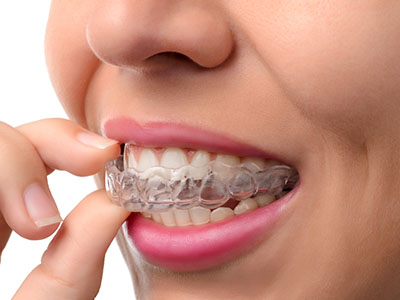
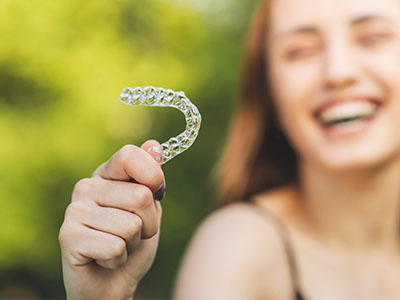
Because the aligners are translucent and form-fitting, most people notice only subtle changes in how a smile looks while treatment is in progress. The ability to remove the trays briefly for meals and oral care means daily routines—eating, brushing, and flossing—require minimal alteration compared with fixed appliances.
Clear aligner therapy moves teeth in carefully planned stages. Each aligner nudges teeth a small amount, then you replace it with the next one in the series. Over time, this sequence produces the planned corrections to alignment and bite, guided by a clinician’s treatment strategy and digital monitoring.
This approach combines clinical oversight with comfortable, removable appliances. Many patients appreciate the discreetness and the convenience, while clinicians value the level of planning and control that modern aligner systems provide.
Successful aligner therapy begins with detailed imaging and digital models. Using high-resolution scans, the clinician maps the current tooth positions and plans a step-by-step progression to the desired outcome. This digital roadmap predicts how each tooth will move and when, which helps reduce surprises during treatment.
Digital planning also allows clinicians to visualize intermediate stages, identify potential challenges in advance, and recommend adjunctive treatments (such as small composite attachments or interproximal reduction) when needed. These tools increase predictability and help tailor care to the individual's anatomy.
Because the treatment is designed on a computer, both the patient and the clinician can review the proposed progression before aligners are manufactured. This collaborative review supports clearer expectations and a treatment plan that addresses both aesthetic goals and functional needs.
The process typically begins with a consultation where the clinician assesses alignment, bite, and overall oral health. After a digital scan and exam, a customized plan is created. The aligners are then fabricated to follow the planned sequence of tooth movements.
Patients generally wear each set of aligners for a prescribed period—switching to the next aligner in the series as directed—while attending periodic check-ups so the clinician can monitor progress and make adjustments if necessary. Maintaining recommended daily wear is important to achieve the planned timeline and outcomes.
Throughout treatment, clinicians monitor oral health and alignment, addressing any concerns such as fit, soreness, or unexpected movement. If refinements are required after the initial sequence, additional aligners can be produced to fine-tune the result.

This first step is a comprehensive assessment of your oral health, alignment issues, and goals. Your clinician reviews scans and x-rays as needed to build a complete picture before recommending a course of action.
Planning is collaborative: your clinician explains the proposed movement sequence, any recommended adjuncts, and what to expect in terms of appointments and milestones. This gives you a clear roadmap from start to finish.
Digital tools often let you preview predicted outcomes, helping you make informed decisions about whether aligner therapy fits your goals and lifestyle.
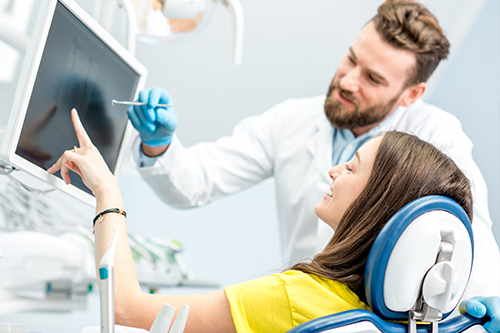
The process uses a fast, precise digital scan to capture your current tooth positions. These scans replace traditional impressions in many cases and create a highly accurate model for planning.
From the digital plan, a series of custom aligners is manufactured to fit your teeth snugly and apply controlled forces where needed. Each aligner is a small step toward the planned final alignment.
Before you begin, your clinician reviews the timeline and shows how the progression will work, so you understand when and how to change aligners and what follow-up visits will look like.
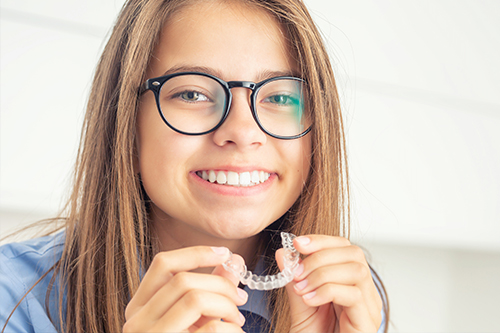
Clear aligners are removable, but consistent wear is essential for efficient tooth movement. Your clinician will explain the recommended daily wear time and how to transition between aligner sets.
During treatment you can remove aligners briefly for meals and oral hygiene, which makes maintaining dental health easier than with many fixed appliances. Still, following care instructions helps avoid delays.
If you encounter fit issues or prolonged discomfort, contact the office so adjustments can be made. Regular monitoring ensures each stage advances as planned.

Your clinician checks progress at scheduled intervals to confirm tooth movement is tracking with the plan. These appointments allow for minor course corrections and ensure overall oral health remains stable.
In some cases, additional aligners or small adjustments help achieve the precise alignment desired. This iterative approach is part of modern aligner therapy and supports predictable outcomes.
When the active phase is complete, your clinician discusses retention—how to maintain the improvements long-term—so your new alignment remains stable.
Short videos can clarify steps in treatment and illustrate common experiences patients report during care.
*Invisalign® is a registered trademark of Align Technology, Inc.
At Londonderry Family Dentistry, we aim to provide clear, evidence-based information so you can weigh your options with confidence. If you’d like to learn more about how clear aligner therapy might fit your goals, please contact us for additional information and to arrange a consultation.
Invisalign is a clear aligner system that straightens teeth through a series of custom-made, removable trays. Each aligner is designed to move teeth a small, controlled amount before you switch to the next one in the series, producing gradual changes in alignment and bite. The system relies on a clinician's diagnosis and a digitally planned sequence to achieve predictable tooth movement.
Treatment combines clinical oversight with digital planning and laboratory fabrication, which helps reduce surprises during care. Because the aligners are translucent and form-fitting, many patients find them less noticeable than traditional braces while treatment is in progress. Regular monitoring by the clinician ensures the planned movements are occurring and allows for adjustments when necessary.
Many adolescents and adults with mild to moderate alignment or bite concerns are candidates for aligner therapy, provided their oral health is stable. Candidates should have healthy gums and no untreated dental disease, since periodontal or extensive restorative issues can affect treatment outcomes. A comprehensive clinical evaluation and digital scan help determine whether aligners are a suitable option for a patient’s specific needs.
Complex tooth movements or severe skeletal discrepancies may require alternative or adjunctive approaches that your clinician will discuss during the consultation. Compliance with wearing the aligners as prescribed is an important factor in candidacy, because removable appliances depend on consistent daily wear to achieve results. The clinician can recommend the most appropriate path based on functional goals and esthetic priorities.
Treatment duration varies with the complexity of the case and the specific goals identified in the treatment plan. Many patients complete alignment in several months to a couple of years, with an individualized timeline presented during the planning phase. The digital plan predicts the stages of movement and helps set reasonable expectations for when milestones will be reached.
Adhering to the prescribed daily wear schedule and attending scheduled follow-up visits helps keep the treatment on track and may prevent delays. If refinements are necessary after the initial series of aligners, additional trays can be fabricated to fine-tune the outcome, which can extend the overall timeline by a short period. Your clinician will review progress periodically and discuss any adjustments to the schedule as needed.
Clinicians typically recommend wearing aligners for most of the day, removing them only for eating, drinking (except water), and oral hygiene. Consistent daily wear, usually around 20 to 22 hours, is essential to keep tooth movement progressing according to the digital plan. Skipping wear or frequently leaving aligners out can slow treatment and make planned movements less predictable.
If you miss time with your aligners, communicate with your clinician so they can assess whether to proceed with the next tray or pause the sequence. Small gaps in wear can sometimes be managed without altering the plan, but prolonged noncompliance may require refinements or a revised schedule. Regular checkups provide opportunities to correct course and help you stay aligned with the treatment goals.
Attachments are small tooth-colored composites bonded to specific teeth to give aligners a better grip and enable certain movements that would be difficult with aligners alone. Interproximal reduction (IPR), which gently reduces enamel in tiny amounts between teeth, is another adjunct used to create space for movement when needed. These techniques are planned digitally and are applied only when they improve predictability and outcomes.
Your clinician will explain any recommended adjuncts during the treatment planning review, including why they are necessary and how they contribute to the overall strategy. Because these measures are part of a precise, digitally guided plan, they are used selectively to balance efficiency and comfort. The decision to include attachments or IPR is individualized and focused on achieving a stable, functional result.
Digital scans capture precise, three-dimensional images of your teeth and bite, replacing traditional impressions in many cases and improving accuracy. These scans serve as the foundation for a computer-generated treatment plan that maps the sequence of tooth movements from the starting position to the desired outcome. The clinician and patient can review the predicted progression together, which supports informed decisions and clear expectations.
At Londonderry Family Dentistry we use digital planning to identify potential challenges in advance and to recommend adjunctive procedures when appropriate. This technology allows for more predictable staging of movements and smoother coordination of appliances and any restorative or periodontal care that may be needed. The result is a tailored roadmap that guides both the clinician and patient through treatment.
Most patients experience a brief adjustment period as they get used to wearing aligners, and minor speech changes such as a slight lisp may occur initially. These effects typically diminish within a few days to weeks as the tongue and lips adapt to the presence of the aligner. Because aligners are removable, you can take them out for meals, which reduces the chance of dietary restrictions common with fixed braces.
Some patients report mild soreness or pressure when switching to a new aligner, which usually subsides after a short time and can be managed with over-the-counter pain relievers if needed. Maintaining good oral hygiene and removing aligners for eating helps preserve comfort and reduce the risk of irritation. If persistent discomfort or speech issues occur, your clinician can evaluate fit and make necessary adjustments.
Progress is monitored through scheduled visits where the clinician assesses tooth movement, fit of the aligners, and overall oral health. These checkups may include visual exams, comparisons to the digital treatment plan, and periodic scans or photographs to document progress. Regular monitoring ensures that any deviations from the planned sequence are identified early and addressed promptly.
If the initial series does not achieve the desired final position, clinicians can request additional aligners—often called refinements—to fine-tune alignment. Refinements are created after a new assessment and updated plan, allowing the clinician to correct minor discrepancies and improve the final outcome. This iterative approach is a normal part of many aligner treatments and reflects a commitment to precision.
Keep aligners clean by rinsing them after removal and brushing them gently with a soft toothbrush; avoid hot water and abrasive cleaners that can distort or damage the material. Remove aligners for eating and drinking anything other than water to prevent staining and to protect your teeth and trays. Maintain a consistent oral hygiene routine with thorough brushing and flossing before reinserting aligners to reduce the risk of decay and gum irritation.
Bring your aligners to appointments so the clinician can check fit and condition, and follow any specific cleaning recommendations provided by your care team. If you notice cracks, warping, or persistent odor, contact the office for guidance rather than attempting home repairs. Proper care of both teeth and appliances supports efficient treatment and long-term oral health.
To explore whether Invisalign is right for you, contact Londonderry Family Dentistry to arrange a consultation and clinical evaluation. During the visit, the clinician will assess your oral health, take digital scans as needed, and review a customized treatment plan that outlines recommended steps and expected milestones. This appointment is an opportunity to ask questions about the process, adjunctive techniques, and what to expect day to day during treatment.
You can reach the practice by calling (603) 432-5094 or by requesting an appointment through the office’s website if that option is available. If you have current dental records or recent x-rays, bring them to the consultation so the clinician can incorporate that information into the planning review. The goal of the visit is to provide clear, evidence-based guidance so you can make an informed decision about aligner therapy.
